
Updated: February 23, 2026
Key takeaways
It’s Sunday night, and you’re scrambling to figure out what to talk about in tomorrow’s safety meeting. You’ve already covered ladder safety twice this month, and you’re running out of fresh ideas.
We’ve got your back with this guide – including safety moment topics, format variations, and planning tips to help you keep your team engaged and safe on the job.
Need help with meeting facilitation and engagement techniques? Check out our comprehensive guide + video: How to Lead a Safety Meeting >
What makes a good safety moment?
Before diving into the topic library, here’s a quick framework for evaluating whether a topic is worth your team’s time:
- Relevant: Connects to actual work your team does
- Timely: Addresses seasonal hazards, recent incidents, or trending risks
- Specific: “Safe driving” is too broad; “Avoiding distractions while driving” is actionable
- Brief: Can be covered in 5-10 minutes
- Engaging: Has a story, statistic, demonstration, or discussion element
How to use this library
- Pick a category based on current needs – seasonal risks, recent incidents
- Adapt the talking points to your workplace and add real examples from your team’s experience
- Vary meeting formats to keep them dynamic
- Rotate through categories to ensure comprehensive coverage
A successful safety program is about more than meetings. Start with our Foundations of Workplace Safety >
Safety moment topic library
Everyday hazards
Housekeeping and clutter control
Clutter creates trip risks and hides other dangers. Tools left in walkways, materials stacked improperly, and overflowing trash are hazards. Clean as you go and designate proper storage for everything.
💬 “What’s one area in our workplace that tends to collect clutter?”
Tool and equipment inspections
Damaged tools cause injuries. Inspect before each use: frayed cords, cracked handles, dull blades, loose guards. If it’s broken, tag it out and remove it from service immediately.
💬 “Has anyone used a tool that felt ‘off’ but kept using it anyway?”
⏬ Hand and Power Tools Toolbox Talk | Lockout Tagout Podcast
Electrical safety basics
Extension cords aren’t permanent wiring. Keep water and electricity separate. Never work on live circuits. Ground fault circuit interrupters (GFCIs) save lives.
💬 “True or false: It’s okay to use an extension cord with a damaged plug if you’re careful.”
⏬ Electrical Safety Toolbox Talk
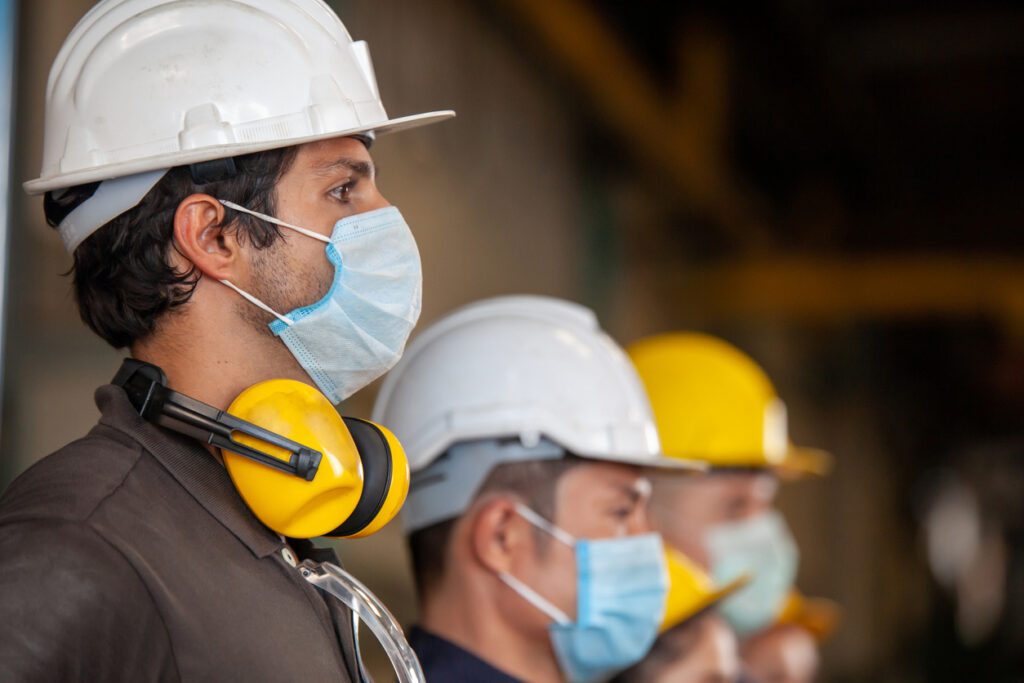
Personal protective equipment (PPE)
Proper PPE selection and fit
PPE only works if it fits correctly and is appropriate for the hazard. Ill-fitting gloves reduce dexterity. Loose safety glasses slide down. Take time to get properly fitted.
💬 “Has anyone been issued PPE that didn’t fit right? What did you do about it?”
⏬ PPE Poster | Hard Hats Toolbox Talk
Eye protection and when it’s required
Safety glasses aren’t optional for tasks that create flying particles, splashing chemicals, or dust. Side shields matter – most eye injuries come from the side, not straight-on.
💬 “How many of you have gotten something in your eye at work?”
Hearing protection and noise exposure
Hearing loss is permanent and cumulative. If you have to raise your voice to be heard by someone three feet away, you need hearing protection.
💬 “Anyone notice ringing in your ears after a shift? That’s a warning sign.”
⏬ Noise Safety Podcast | Industrial Hygiene Podcast
Fall arrest and fall protection equipment
Harnesses, lanyards, and anchor points must be inspected before each use. Know the difference between fall arrest (stops a fall) and fall restraint (prevents reaching the edge). Never clip off to unstable anchor points.
💬 “What’s the proper procedure if you witness a coworker fall while wearing a harness?”
⏬ Self-Retracting Lifelines Toolbox Talk
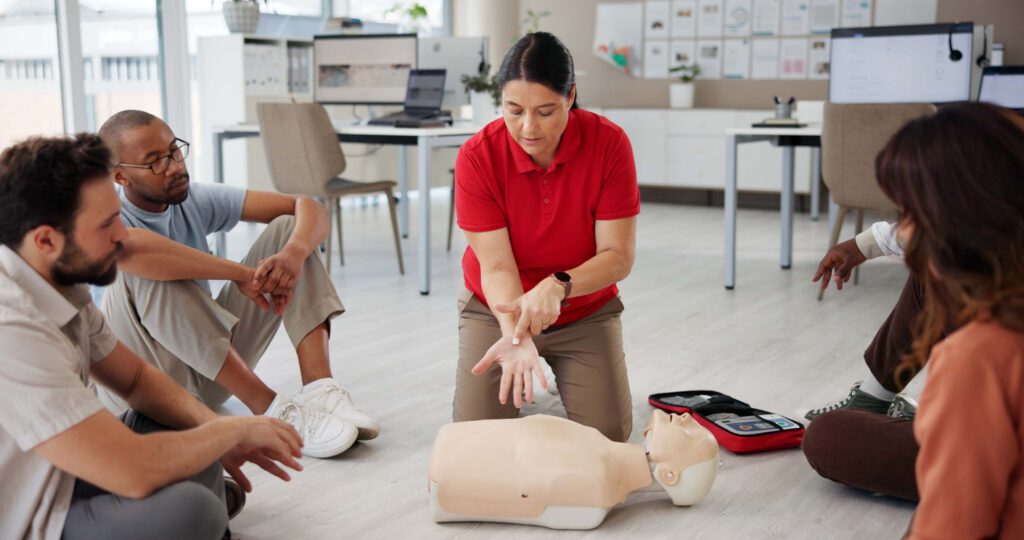
Emergency preparedness
Fire prevention and response
Most workplace fires are preventable. Store flammable materials properly, maintain clear exit paths, don’t overload electrical outlets, and keep work areas clean. Hot work requires permits and fire watch.
Know where extinguishers are located and how to use them (PASS: Pull, Aim, Squeeze, Sweep). Know when NOT to fight a fire – if it’s larger than a trash can or spreading rapidly, evacuate immediately.
💬 “Without looking, who can tell me where the nearest fire extinguisher is?”
⏬ Fire Prevention Toolbox Talk | Fire Safety Podcast
Emergency evacuation procedures
Know your primary and secondary exits. Designate meeting points outside. Assign roles (who calls 911, who accounts for personnel). Practice evacuations so they’re automatic under stress.
💬 “When was our last evacuation drill? What could we improve?”
⏬ Building Evacuation Toolbox Talk
First aid basics and when to call 911
Basic first aid saves lives, but knowing your limits matters too. Severe bleeding, chest pain, difficulty breathing, head injuries, and suspected spinal injuries all require 911 immediately.
💬 “Who here is trained in first aid? When does your certification expire?”
⏬ AED Use Toolbox Talk | First Aid Kit Toolbox Talk | First Aid Podcast
Reporting injuries and near-misses
Near-misses are free lessons – report them before they become injuries. Timely injury reporting ensures proper medical care and allows investigation while memories are fresh.
💬 “Have you ever not reported a near-miss because you didn’t want to make a big deal of it?”
⏬ Incident Reporting Policy | Near Miss Podcast

Slips, trips & falls
Walking surface inspections
Check for uneven flooring, loose mats, and debris before each shift. Focus on high-traffic areas and transitions between surfaces. Report hazards immediately – don’t step over them.
💬 “When did you last report a tripping hazard? What happened after?”
⏬ Trip Prevention Toolbox Talk | Prevent Slips and Trips Poster | Slips, Trips, and Falls Podcast
Proper footwear selection
Match footwear to your work environment – slip-resistant soles for wet areas, steel toes where required. Inspect worn treads regularly.
💬 “Who’s wearing the right shoes for today’s tasks?”
Weather-related slip hazards
Ice, snow, and rain create slip risks. Salt walkways, use absorbent mats at entrances, and take smaller steps on slick surfaces. Wet leaves in fall are as slippery as ice.
💬 “What’s the worst slip you’ve witnessed during bad weather?”
⏬ Slip Prevention Toolbox Talk
Ladder safety and three points of contact
Inspect ladders before each use: check for cracks, bent rungs, damaged feet. Maintain three points of contact while climbing. Never stand on the top rung. Position on stable, level ground.
💬 “True or false: It’s okay to stand on the top rung if you’re only up there for a minute.”
⏬ Ladder Safety Infographic | Ladder Toolbox Talk | Ladders Last Video

Strains & sprains
Safe lifting
Beyond “bend your knees”: keep the load close, test the weight before committing, avoid twisting while carrying, and pivot your feet instead. Core strength matters – weak core muscles lead to back injuries. For any loads that are awkward, unbalanced, or over 50 pounds, use a two-person lift protocol.
💬 “What’s the heaviest thing you’ve lifted at work? Should you have asked for help?”
Repetitive motion injury prevention
Carpal tunnel, tendonitis, and repetitive strain injuries develop gradually. Take microbreaks, vary your tasks when possible, and use proper ergonomics. Pain is your body’s warning system.
💬 “Anyone dealing with wrist, elbow, or shoulder pain from repetitive tasks?”
⏬ Strains and Sprains Podcast | Computer User Ergonomics Toolbox Talk
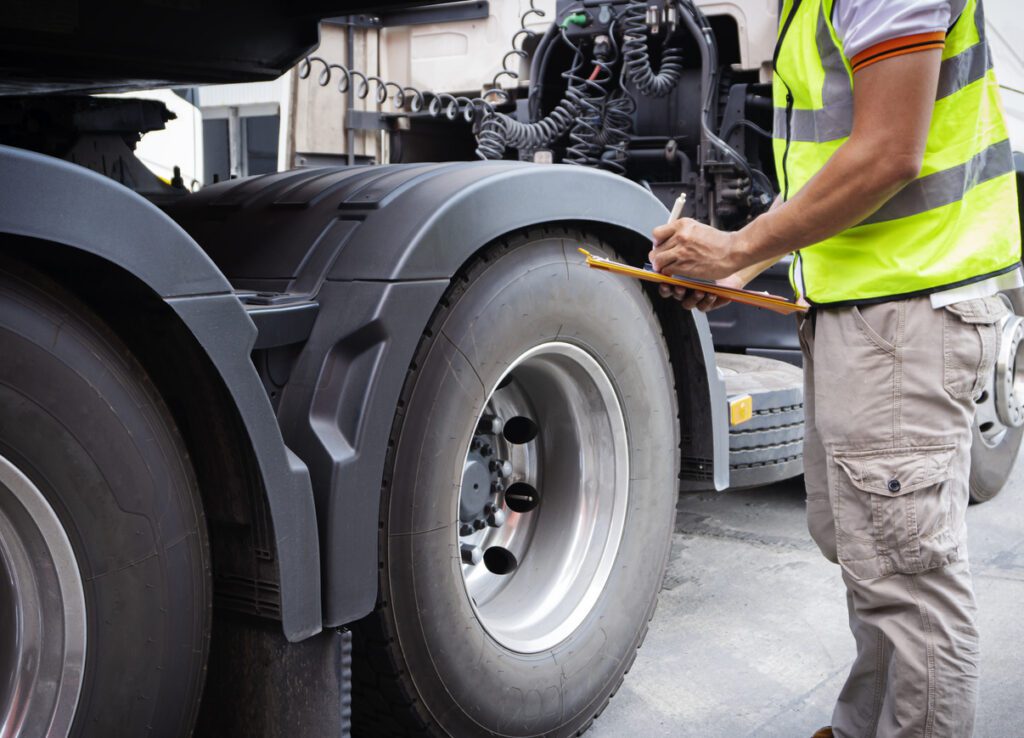
Motor vehicle accidents (MVA)
Pre-trip inspections
Check tire pressure and tread, test lights and signals, ensure mirrors are properly adjusted, verify fluid levels, and confirm your load is properly secured.
💬 “True or false: You can skip the pre-trip inspection if you drove the same vehicle yesterday.”
⏬ Vehicle Pre-Trip Inspection Form
Defensive driving fundamentals
Assume other drivers will make mistakes. Maintain following distance (3-4 seconds minimum), scan ahead for potential hazards, and always have an escape route.
💬 “What’s the closest call you’ve had on the road? What would you do differently?”
⏬ Defensive Driving Policy | Safe Driving Toolbox Talk
Distracted driving: Beyond the phone
Texting isn’t the only distraction. Eating, adjusting the radio, talking to passengers, and daydreaming all take your attention off the road. At 55 mph, looking at your phone for 5 seconds means traveling the length of a football field blind.
💬 “What’s the most distracting thing you do while driving? Be honest.”
⏬ Distracted Driving Poster | Fatigued Driving Toolbox Talk
Mental health and wellness
Fatigue and shift work safety
Fatigue slows reaction time, impairs judgment, and increases error rates. Chronic sleep deprivation has the same effect as alcohol impairment. Prioritize sleep and speak up when you’re too tired to work safely.
💬 “How many hours of sleep did you get last night? Be honest.”
⏬ Fatigue Prevention Tech Podcast | Overworking Podcast
Distraction and situational awareness
Your phone, personal worries, conversations with coworkers – distractions pull your attention from hazards. Practice situational awareness: regularly scan your environment and stay present in high-risk tasks.
💬 “What’s the biggest distraction you face on the job? How do you manage it?”
⏬ Situational Awareness Podcast
Work-life balance and burnout prevention
You can’t pour from an empty cup. Burnout leads to disengagement, which leads to incidents. Use your time off, set boundaries, and remember that no job is worth sacrificing your health.
💬 “When was the last time you took a real day off – no work calls, no emails?”
⏬ Employee Burnout Podcast | Stress at Work Podcast | Toxic Work Environments Podcast
Recognizing signs of substance abuse
Substance abuse – alcohol, drugs, prescription medication misuse – compromises safety for everyone. Know the warning signs and understand your company’s resources (EAP programs).
💬 “If you suspected a coworker was impaired, would you feel comfortable saying something?”
⏬ Substance Misuse Podcast | Drugs and Alcohol in the Workplace Podcast
Seasonal safety
Heat stress and hydration (summer)
Heat exhaustion and heat stroke are preventable. Emphasize hydration before you’re thirsty, taking breaks in shade, and watching for warning signs in coworkers: Confusion, dizziness, and nausea. New employees and those returning from time off are at the highest risk.
💬 “How much water should you drink during a shift in 90-degree weather?”
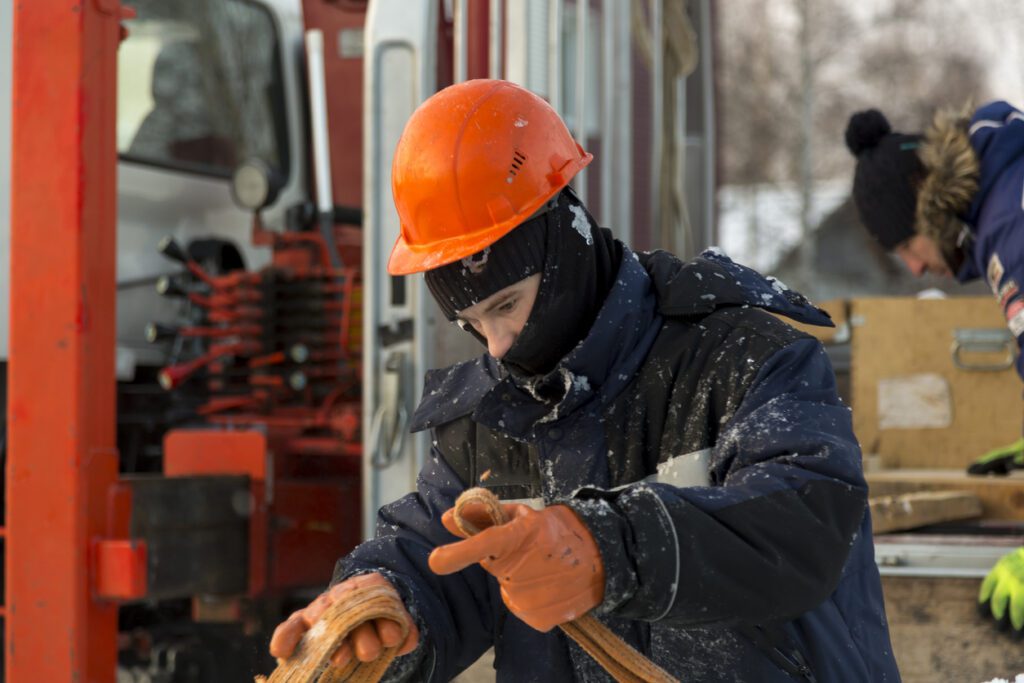
Cold stress and frostbite prevention (winter)
Dress in layers, protect extremities (fingers, toes, ears, nose), and recognize early warning signs of hypothermia and frostbite. Wet clothing accelerates heat loss – change out of damp gear immediately.
💬 “What’s the coldest you’ve ever worked in? How did you stay safe?”
Driving in adverse weather conditions
Rain, snow, ice, and fog all require adjusted driving behaviors. Slow down, increase following distance, avoid sudden movements, and know when conditions are too dangerous to drive.
💬 “What’s the scariest weather-related driving situation you’ve been in?”
Timing your safety moments: 1-minute, 5-minute, or 10-minute?
Not all safety moments need the same time investment. Here’s how to adapt:
- 1-minute safety topics: For daily huddles or shift starts. Single focus point with one conversation starter. No deep discussion, just awareness.
- 5-minute safety moments: For weekly meetings. Brief explanation with a stat or story, 2-3 discussion questions, or quick demonstration.
- 10-minute deep dives: For monthly meetings or after incidents. Full context with multiple examples, extended discussion, and actionable takeaways.
Most topics in this library work for any timeframe – just adjust the depth.
Format variations for safety moments
Beyond the lecture: How to deliver these topics in engaging ways that stick.
Story or stat-driven moments
Lead with a surprising statistic or a real story to make your point land. Statistics establish urgency and show trends, while stories humanize consequences and build empathy.
Example: “Last year, a warehouse employee in Ohio slipped on a freshly mopped floor with no wet floor sign. She fractured her wrist and was out for six weeks. The takeaway? Wet floor signs aren’t optional – they’re prevention.”
Hands-on demonstrations
Bring the equipment and demonstrate proper use in real time. This works especially well for physical tasks, PPE usage, tool inspections, and proper techniques. People remember what they see and do, not just what they hear.
Example: Conduct a live ladder inspection walkthrough using your actual equipment. Point out what to check and let employees practice identifying issues.
Discussion prompts
Ask open-ended questions and facilitate conversation rather than lecturing. This approach works well with experienced crews who have valuable knowledge to share, and it’s ideal for culture topics, problem-solving, and getting buy-in.
Example: “What’s the biggest distraction you face on the job? How do you manage it when you need to focus on something dangerous?” Let the conversation flow and summarize key themes at the end.
Video clips
Short safety videos (2-3 minutes) followed by discussion work well for large meetings, complex procedures, and visual learners. Use them to show real-world examples that might be difficult to demonstrate live.
Example: Show a near-miss caught on camera, then debrief: “What went wrong? What could have prevented this?”
Explore our collection of safety videos on MEM’s YouTube channel. >
Quick quizzes
Use 3-5 true/false or multiple-choice questions to check knowledge, reinforce key points, and energize a tired group. Quizzes break up monotony and increase engagement through participation.
Example: “True or false: You can skip the pre-trip inspection if you drove the same vehicle yesterday.” Call on people for answers and explain why each is correct or incorrect.
📍 Read next: Safety Trivia Games: How to Boost Employee Engagement >
Making safety moments work
The difference between effective safety moments and wasted time comes down to intentionality. When you plan ahead, adapt content to your workplace, and follow through with action, safety moments become a natural part of your culture rather than just another box to check.
- Respond to incidents immediately: Address near-misses and injuries in the next meeting while they’re fresh.
- Rotate formats and categories: Mix demonstrations, discussions, videos, and quizzes; cycle through categories systematically.
- Get employee input: Ask your team what topics they want to cover next and what concerns they have.
- Stay consistent: Skipping meetings signals that safety isn’t a real priority; your team will mirror your commitment level.
Sample 3-month safety moment calendar
| Month | Week 1 | Week 2 | Week 3 | Week 4 |
| March | Ladder inspections (demo) | Distracted driving (story) | Emergency exits (quiz) | Lifting techniques (demo) |
| April | PPE fit testing (hands-on) | Near-miss reporting (stat) | Stress management (discussion) | Housekeeping walkthrough (demo) |
| May | Heat stress prep (stat) | First aid review (video) | Two-person lifts (demo) | Pre-trip inspections (quiz) |
Ready to lead better safety meetings?
This topic library gives you the what. For the how – meeting facilitation techniques, engagement strategies, and pitfalls to avoid – check out our video and guide: How to Lead a Safety Meeting >
Frequently asked questions: Safety moments
Most safety moments should last around 5 minutes, though they can be as brief as one minute for quick daily reminders or extend to 10 minutes for deeper discussions after incidents. The key is keeping them focused on a single topic rather than cramming in multiple messages.
The person directing the work should lead the safety moment to show frontline commitment to safety. While EHS managers can provide topics and support, having supervisors or team leads facilitate the discussion reinforces that safety is everyone’s responsibility, not just the safety manager’s.
Try asking specific people directly rather than open-ended “any questions?” prompts. For example, “Marcus, have you seen this issue on the job site?” Making it conversational and directing questions to individuals pulls quieter team members into the discussion.
Avoid repeating the same topic within 2-3 months unless responding to a specific incident. Track what you’ve covered in a simple calendar and rotate through categories systematically. Core topics like PPE or safe lifting can be revisited with different angles.
OSHA doesn’t specifically mandate safety moments or toolbox talks in its standards. However, regular safety training and communication can help demonstrate compliance with OSHA’s general duty clause and various training requirements for specific hazards.
Safety moments are brief refreshers and reminders (5-10 minutes) that reinforce prior training and keep safety top of mind. Formal training is more comprehensive, often mandated by OSHA for specific hazards, and includes documentation, testing, and certification requirements.
Incorporate safety moments into virtual team meetings, send brief video clips or written safety tips via email, or use collaboration platforms for quick daily posts. Focus on topics relevant to remote work: Ergonomics, mental wellness, home office electrical safety, and distraction management.
Adapt your approach based on your audience. New hires need foundational information, while experienced employees benefit from deeper discussions, advanced topics, and opportunities to share their expertise with the group.