
If an injury happens in your workplace, you need to act quickly to support the injured worker and protect your business. Part of that response can include determining whether substance use may have played a role in the incident. Post-incident drug testing provides a clear, objective way to gather this information while supporting your overall safety culture.
The key is having the right tools and a plan in place before something happens. Modern testing methods like oral fluid testing can give you results in minutes, not days, helping you make informed decisions when time matters most.
We sat down with Amy Wimer, Account Executive at Premier Biotech, to discuss how employers can approach post-incident drug testing more effectively. Premier Biotech is MEM’s drug testing solutions partner, and Amy has extensive experience in oral fluid testing. She shared practical insights on testing logistics, policy requirements, and how rapid testing tools can support safer workplaces without the delays of traditional methods.
➡️ Need to purchase tests for your workplace? MEM partners with Premier BioTech to provide policyholders with OralTox® rapid oral fluid drug tests at discounted prices. MEM policyholders can purchase tests by contacting Wimer directly at 610.360.8710 or awimer@premierbiotech.com.
Why post-incident drug testing plans matter
When an incident occurs, emotions run high and decisions need to be made quickly. Without a clear plan, you might find yourself scrambling to figure out the next steps while dealing with the immediate aftermath of an injury.
“I always say it’s better to be prepared than to wait and see what happens if you’re not prepared,” Wimer said. Having a solid drug testing policy that’s current with your procedures, testing methods, and substance panels gives you a clear roadmap when you’re under pressure.
The cost of being unprepared
The stakes go beyond just knowing what to do in the moment.
If an employee is injured and you don’t have testing procedures in place, you’ll be moving forward without objective information about potential impairment. You’re left making workers compensation and safety decisions based on assumptions rather than facts.
This uncertainty can impact everything from claim costs to your ability to identify and address safety risks:
- Delayed decision-making during critical post-incident periods
- Inconsistent treatment of employees across similar situations
- Potential legal exposure from poorly documented procedures
- Higher workers compensation costs due to lack of objective data
- Damaged employee trust from unclear or unfair processes
📍 Read next: 4 Proven Ways to Reduce Your Workers Compensation Costs >
How testing policies protect your business and employees
A well-designed drug testing policy serves multiple purposes. It protects your business by providing objective data about incident causes, which can be crucial for work comp claims. It also protects employees by ensuring fair, consistent treatment across all incidents.
The deterrent effect on workplace safety
Visible drug testing programs create a powerful deterrent that can prevent problems before they start. When employees know that testing happens consistently, it influences their decision-making before they come to work.
“It’s a great deterrent,” Wimer observed. “You know, everyone’s always watching what everyone else is doing.” This visibility leads to better choices around substance use.
A consistently applied substance testing program becomes self-reinforcing: visible accountability leads to an improved safety culture, which in turn reduces the incidents that would trigger testing.
The key is consistency. Employees need to see that the program applies fairly to everyone, and that testing actually happens when policies require it.
Reducing substance use in the workplace is critical to protecting all employees. Listen to our discussion with a substance misuse and addiction expert: Substance misuse: How employers can support employees struggling with addiction >
Traditional vs. rapid testing methods
| Testing method | Timeline | Location | Best for |
| Lab-based urine | 24-72 hours | Off-site facility | DOT compliance, legal documentation |
| Hair testing | 3-5 days | Off-site facility | Detecting long-term use patterns |
| Rapid oral fluid | 10 minutes | On-site | Quick post-incident decisions |
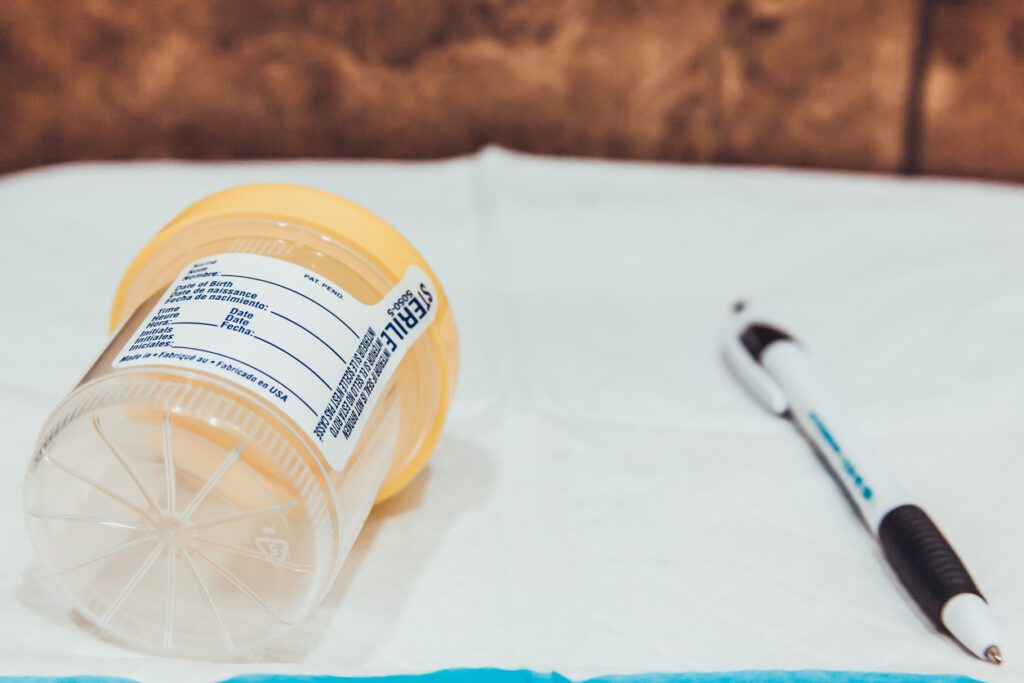
Traditional testing typically involves sending employees to off-site collection facilities for urine or hair testing, then waiting days for lab results. These methods are reliable, but they involve longer timelines. These delays create barriers to making immediate decisions about workplace safety and employee fitness for duty.
“With oral fluid, it’s a test that can be done right on site,” Wimer explained. This approach eliminates the need for off-site appointments and reduces the time to get results from days to minutes.
How oral fluid testing works
Oral fluid testing uses a simple collection process that employees can perform themselves under observation. While the process may differ slightly between providers, it generally follows these steps.
OralTox® rapid testing process:
- Employee swabs inside of mouth, cheek, and gums with collection device
- Volume indicator on device shows when an adequate sample is collected
- Collection swab is placed into the OralTox® device and locked into place
- Device is set on flat surface to run the test
- Results appear within 10 minutes
“The collection swab is placed into the OralTox® device, where it twists and locks into place, and then you simply set the OralTox® on a flat surface,” Wimer said. “The drug test will run, and all this happens within just 10 minutes.”
Your next steps depend on the results:
Negative: Employee can return to work immediately
Inconclusive or positive: Seal device with tamper-evident packaging and send to lab for confirmation
Implementing post-incident drug testing: 5 practical steps
Step 1: Know your regulatory requirements
Some industries are subject to federal regulations that dictate testing requirements. The Department of Transportation, for example, requires employees to follow specific federal guidelines that typically require lab-based testing rather than rapid on-site methods.
Most other industries have more flexibility in choosing testing approaches. Construction sites, warehouses, and manufacturing facilities often benefit from rapid testing due to the safety-sensitive nature of the work and the need for quick decisions about employee fitness for duty.
💡 Pro tip: State laws around substances like marijuana are evolving rapidly, so make sure your policies reflect the current legal landscape in your location. Some employers are treating marijuana more like alcohol – acceptable during personal time but not permitted in the workplace or during work hours.
Step 2: Design clear policies and procedures
Your policy should clearly outline when testing will be conducted, what substances will be tested for, and the process involved. This transparency helps employees understand expectations and reduces anxiety if testing is necessary.
Make sure your policy addresses:
- Clear triggers for when testing will be conducted
- Specific substances included in testing panels
- Step-by-step procedures for conducting tests
- Consequences for positive results
- Employee rights and privacy protections
- Appeals process and confirmation testing procedures
Clear policies remove guesswork from high-stress situations and ensure everyone knows what to expect.
Need a policy template that’s ready to use? Download and customize our Alcohol and Substance Use Policy >
Step 3: Set up logistics and training
On-site testing offers significant advantages in terms of speed and convenience.
“You don’t have to send them out to a collection facility. They don’t have to make an appointment, go spend 30, 45 minutes at that site,” Wimer noted. This efficiency means employees can return to work faster if the results are negative, and you get answers more quickly if the results require further action.
To implement on-site testing successfully, you’ll need to:
- Designate trained company collectors to observe testing
- Ensure proper documentation and chain of custody procedures
- Maintain testing supplies and equipment on-site
- Establish clear procedures for handling positive results
Step 4: Communicate transparently with employees
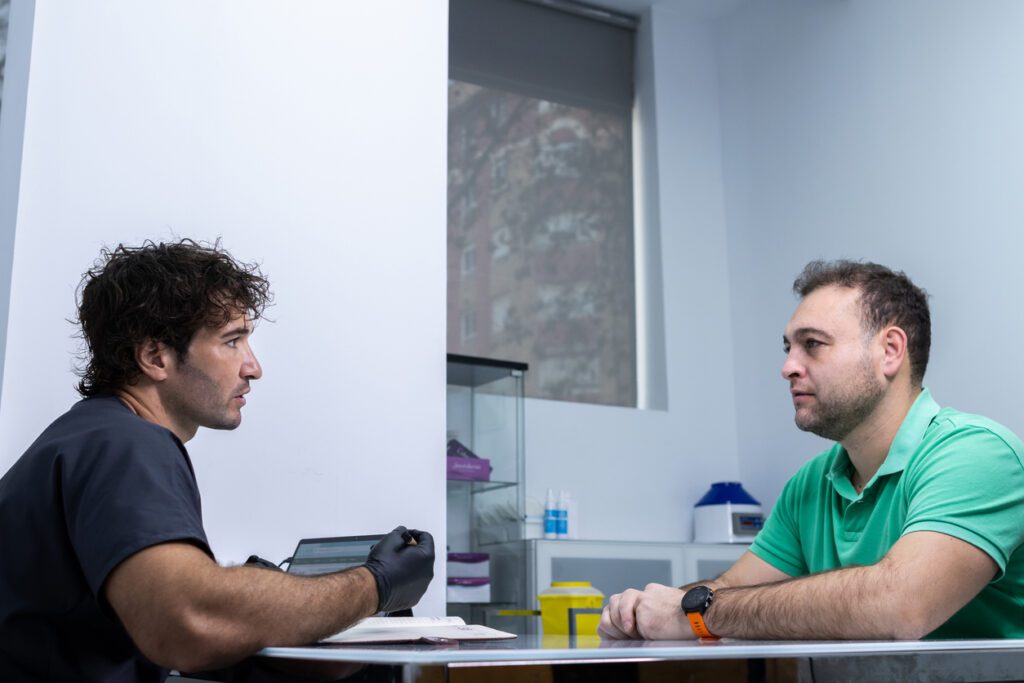
Your employees should know about and understand your testing policy well before they’re in a situation that calls for testing. Transparency creates that valuable deterrent effect and reduces confusion during the post-incident period.
“It’s always good to let your workforce know what your expectations are around drug and alcohol use; what’s not permitted on your work site,” Wimer explained.
Communication is crucial. Employees should understand that testing isn’t punitive but rather a tool to ensure everyone goes home safe. This framing helps build buy-in and reduces resistance to the program. Make sure that every employee in your company has reviewed and physically signed their acknowledgement of your drug testing policy.
Step 5: Consider costs and ongoing management
When evaluating testing programs, consider both direct costs (test kits, training, administration) and indirect costs (employee time, potential productivity impacts). Many employers find that rapid on-site testing reduces overall costs compared to traditional off-site methods, considering factors such as travel time and appointment scheduling.
Some work comp carriers offer discounts or reimbursements for workplace safety programs, including drug testing initiatives. Check with your carrier about available programs and requirements.
MEM policyholders can purchase OralTox® rapid fluid tests at discounted rates by contacting Wimer directly at 610.360.8710 or awimer@premierbiotech.com.
Post-incident drug testing: key takeaways for employers
Effective post-incident drug testing is about preparation, not reaction. “The biggest takeaway with your employee drug testing program is to make sure that you have one in place,” Wimer explained, “and make sure that your drug testing program and policy meet the needs of your state and your workforce in order to keep things safety sensitive.”
To get started, focus on these priorities:
- Develop clear, written policies before incidents occur
- Choose testing methods that balance speed, accuracy, and compliance
- Train designated collectors on proper testing procedures
- Communicate expectations transparently with your workforce
Your testing program should balance several priorities: legal compliance, operational efficiency, and workplace safety. Modern oral fluid testing can help achieve all three by providing quick results that let you make informed decisions without lengthy delays.
Remember that testing is just one component of a comprehensive workplace safety strategy. It works best when combined with clear policies, consistent communication, and broader efforts to support employee well-being.
☑️ The bottom line: The goal isn’t to catch employees making mistakes; it’s to ensure everyone has the information they need to maintain a safe workplace where people can work with confidence.
Quick and efficient drug testing keeps employees accountable for an employer’s alcohol and substance use policy. MEM partners with Premier BioTech to provide policyholders with OralTox® rapid oral fluid drug tests at discounted prices.
To purchase OralTox® tests, contact Amy Wimer at 610.360.8710 or awimer@premierbiotech.com.